
Creating Events That Grow Audiences and Build Community
For many nonprofit organizations, events are one of the most visible ways we connect with our communities. They create opportunities to share our mission, celebrate impact, raise awareness, and bring people together around a common purpose.
But in a world where people are constantly being invited to attend another webinar, fundraiser, panel, or networking event, organizations are facing an important question:
Are we creating events people attend, or experiences people belong to?
The future of nonprofit engagement is not just about increasing attendance numbers. It is about building relationships, creating trust, and designing spaces where people feel seen, valued, and connected.
Moving Beyond Attendance to Engagement
Traditional event planning often starts with a simple question:
“Who can we get in the room?”
A community-centered approach asks a different question:
“Who is missing from the room, and why?”
This shift changes everything.
When nonprofits focus only on attendance, they may unintentionally continue reaching the same audiences. The people who already know the organization, already support the mission, and already feel connected.
Growth happens when organizations intentionally create pathways for new communities to participate.
That requires understanding:
- Who are we trying to reach?
- What matters to them?
- What barriers might prevent them from participating?
- What would make them feel like they truly belong?
Events Are More Than Programs. They Are Relationships!
A successful event is not simply a calendar item.
It is a relationship-building opportunity.
People attend events because they are looking for something meaningful:
- Connection
- Learning
- Representation
- Inspiration
- Community
- Opportunities to contribute
The event itself may bring someone through the door, but the experience determines whether they return.
Nonprofits should think about the full engagement journey:
Before the event:
How are we building excitement and trust?
During the event:
Does the experience reflect our values?
After the event:
Are we creating ways for people to stay involved?
The Belonging Test
Before launching your next event, consider asking:
Representation
Who is reflected in this experience?
Do attendees see themselves, their stories, and their communities represented?
Relevance
Why does this matter to the people we want to reach?
Are we speaking about our mission in a way that connects to their everyday lives?
Access
Can people realistically participate?
Consider:
- Location
- Cost
- Timing
- Transportation
- Childcare
- Language access
- Accessibility needs
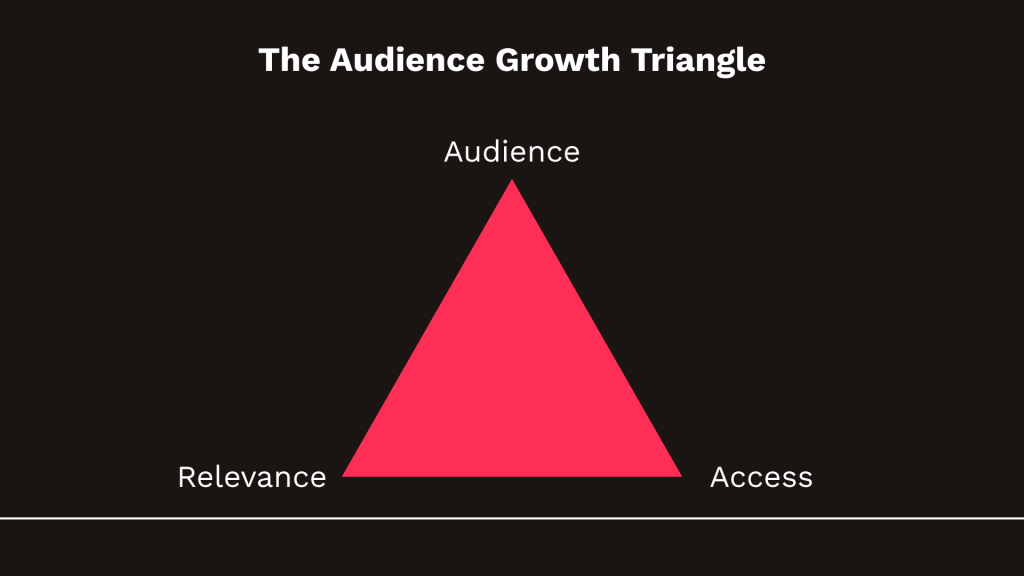
Relationship
Who is inviting them?
Sometimes the strongest introduction to an organization does not come from a marketing email. It comes through a trusted community partner or someone who already feels connected.
A Simple Exercise for Your Team
Think about someone who does not currently engage with your organization.
Imagine there is an empty chair at your next event.
Who is sitting there?
Ask your team:
- Why have they not attended before?
- What assumptions might we have about them?
- What barriers exist?
- Who already has trust with this community?
- How could we redesign our event so that they would want to participate?
The goal is not to create an event that appeals to everyone.
The goal is to create an experience where the right people feel invited.
The Future of Nonprofit Engagement
Community engagement is not just a marketing responsibility.
It is an organizational responsibility.
Every interaction communicates something about who belongs.
The organizations that thrive will be the ones that move beyond simply sharing information and begin creating spaces where people feel connected to a larger purpose.
Because people do not just support organizations they know.
They support organizations where they feel they belong.




Leave a Reply